





















Smart Spotlight: Heidi Johnson on Life at Smart

By Smart Communications
At Smart Communications, we believe our people are our greatest strength. The Smart Spotlight blog series highlights the talent, passion, and unique journeys of team members who shape our culture and drive our success.
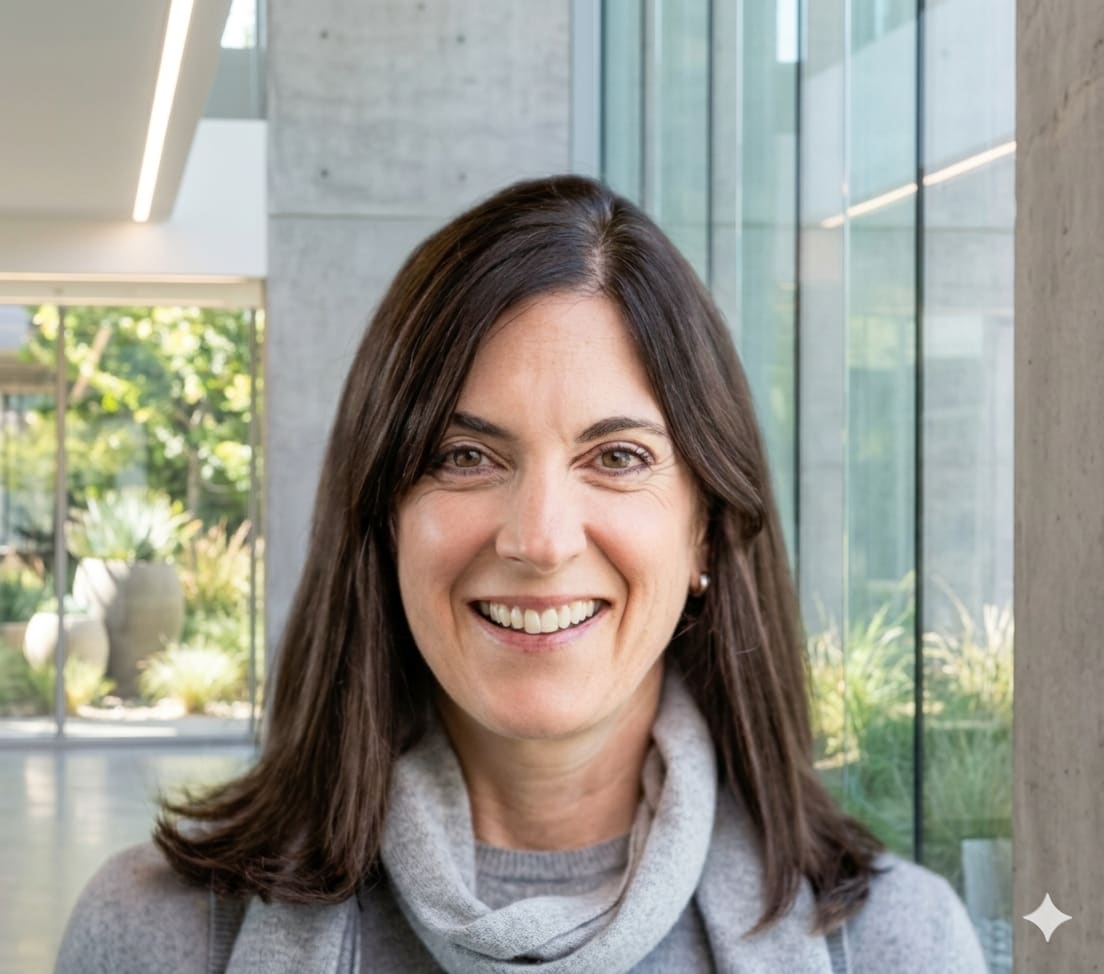
In this post, we’re excited to feature Heidi Johnson, our Chief Product and Technology Officer. Keep reading to learn more about Heid’s path to Smart Communications, her leadership philosophy, and what excites her most about the opportunities ahead.
1. What is your role at Smart Communications, and how long have you been with the company?
I'm the Chief Product and Technology Officer, and I joined at the end of January, so I'm about a month in and still very much in listening mode. That said, I came in with a clear point of view on what great product, infrastructure and teamwork looks like in regulated markets, and I'm spending this time understanding what's already working well here before shaping what comes next.
2. You've led product and technology at other companies with different business models. What drew you to Smart specifically?
My prior roles gave me a front-row seat to some of the most consequential technical transformations of the last two decades, including, mobile, cloud, AI, the rise of data platforms, and the shift to SaaS. And what those experiences taught me is that regulated industries are where the hardest and most interesting problems live. The constraints aren't obstacles; they're where innovation can flourish and market differentiation takes shape. You can't cut corners, you have to earn trust, and the stakes for getting it right are high.
Smart sits at a compelling intersection: deep workflow complexity, a diverse customer base, complex infrastructure, compliance obligations, and a real opportunity to use AI to get closer to customers in ways that are useful and impactful. What sealed it for me is something harder to find than good technology or a strong market position, and that is a foundation of customer trust and institutional reputation that's been built over years. That's not something you can manufacture quickly. My job is to understand it, respect it, and help amplify it.
3. What does "good" look like for a product and technology team in a SaaS company at this stage?
Good means the team is shipping work that moves the right metrics — revenue, engagement, and scale — while being honest about what's slowing them down. But the skill I think matters most is selection: having the discipline to identify the things that could be extraordinary and protecting the team's time and focus for those. That means saying no. No matter how capable your team is, you'll always hit capacity constraints. What has no ceiling is the impact of consistently choosing the most important things to work on. That's the standard I hold myself to, and it's the culture I want to build here.
4. What's the hardest part of stepping into a CPTO role at a new company?
Saying what you'll do, and doing it, and when you don't, sharing what you learned and committing to making it better. I care a lot about accountability, but I care equally about psychological safety, because those two things have to coexist for a team to take real risks. I also look for people who can hold craft and curiosity at the same time: the kind of person who cares deeply about how something is built and equally about whether it's solving the right problem. The best engineers and PMs I've worked with never stopped asking "why."
5. What most excites you about the opportunity at Smart right now?
The market is shifting. CCM, CX, and RegTech are all moving toward real-time workflows and tighter communications with customers, and Smart is well positioned to lead that transition. What I'm focused on early is how we bring the portfolio together around building a strong data foundation and creating an architecture that embeds AI into communications and workflows in a way that's governed, auditable, and built for how regulated industries actually operate.
The key insight I keep coming back to is that buyers don't purchase products, rather they buy provable outcomes and solutions. So the work right now is figuring out, together with the team, how we further build that value in a way that's achievable and compounds over time as we grow.
6. What are you doing when you're not working?
I'm currently an MBA candidate at MIT, so there's not a lot of downtime right now, but I genuinely love it. I'm also a start-up mentor at MIT, so I spend time coaching early-stage founders and student innovators. Outside of that, I love to spend time with my husband, three children, and dogs in the mountains of Montana.
If you’re interested in joining our dynamic team, we invite you to explore our current opportunities on our Careers page.