Customer journey orchestration coordinates the systems, tasks, communications, and actions that move a policyholder through a digital insurance journey. With SmartPATH™, you can design, automate, and optimize policyholder experiences across email, SMS, digital interactions, and approved channel-shift or print-failover paths.
Insurance Orchestration
Coordinate Customer Journeys Across Channels and Systems
Deliver seamless, compliant policyholder experiences by orchestrating communications, data, workflows, and digital interactions across policy, billing, claims.
Schedule a Demo
Move Every Insurance Journey Toward Completion
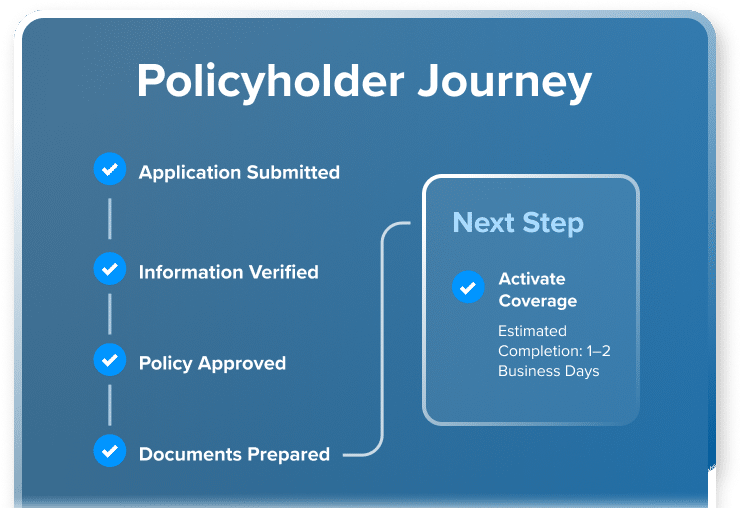
Policyholders, claimants, agents, and adjusters do not experience your business as separate departments or systems. They need to understand what is happening, know what to do next, and move forward without repeating information or chasing an update.
THE CHALLENGE
Why Insurance Journeys Break Down
Insurance journeys become fragmented when communication generation, digital delivery, forms, core-system events, and follow-up actions are managed separately. Even when each tool works, the customer experience can stall between steps.
- A policy, billing, or claims event occurs in a core system, but the communication and follow-up are managed elsewhere
- Teams rely on spreadsheets, inboxes, and manual reminders to keep high-value interactions moving
- Policyholders receive the right document but not a clear next action, deadline, or digital path to completion
- A customer who does not respond in one channel is not automatically reminded or shifted to another approved channel
- Communications, forms, and service tasks follow different logic or workflows, creating duplicate work and inconsistent experiences
- Teams struggle to identify where journeys stall, which actions remain incomplete, and when service intervention is needed
How Customer Journey Orchestration Works
Customer journey orchestration uses events, customer data, business rules, timing, and channel logic to coordinate each step of a workflow. It helps ensure the right communication or action reaches the right person at the right time, then keeps the process moving when a response is received or a step is missed.
- Trigger a journey from an event or status change in a policy administration, billing, claims, CRM, portal, or other connected system
- Apply approved criteria, customer data, timing rules, and segmentation to determine the appropriate next step
- Personalize communications or document generation through SmartCOMM
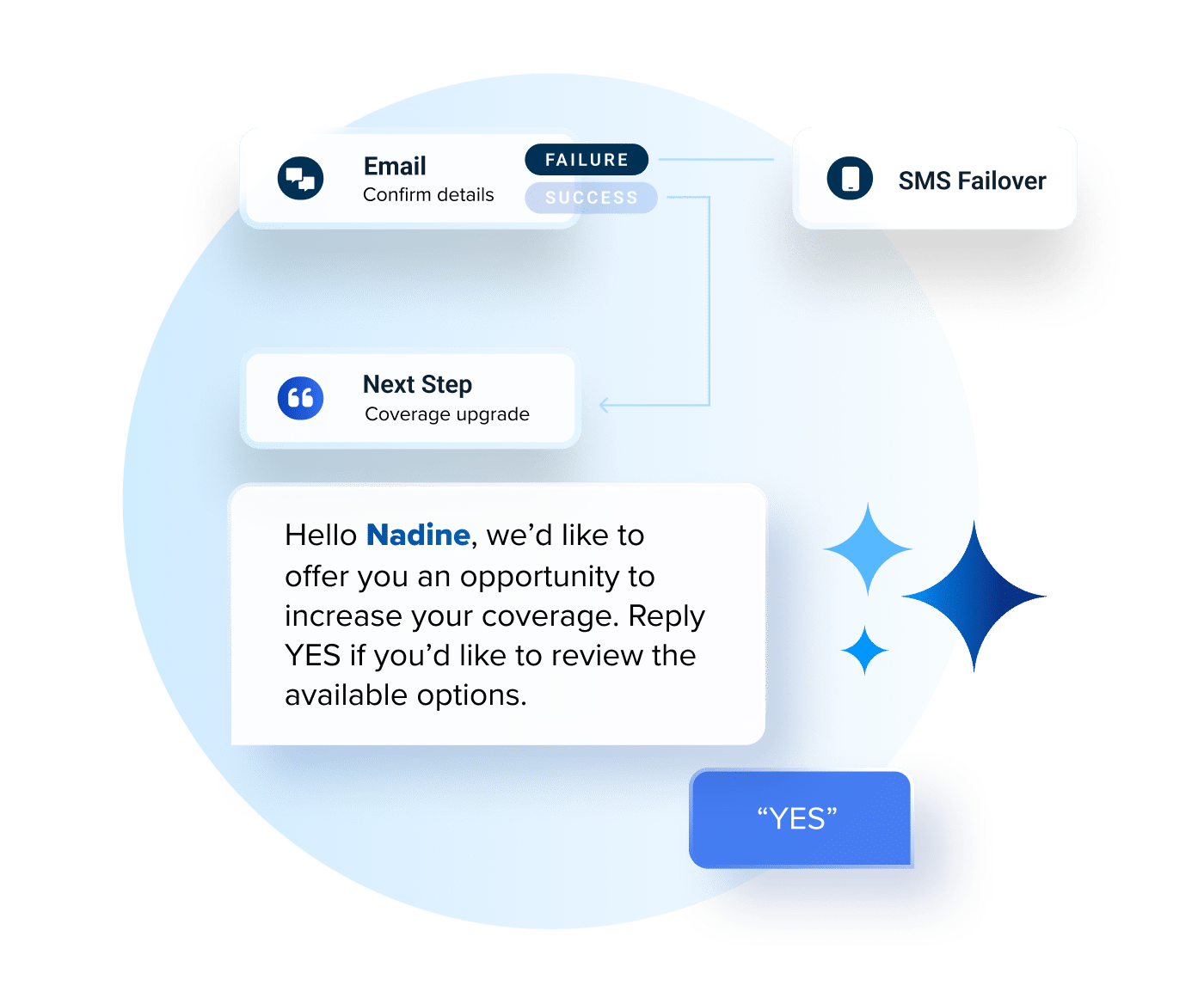
- Deliver through email, SMS, or another connected digital experience and support two-way responses where the workflow requires them
- Send a reminder, route an exception, or shift to another approved channel when the journey does not progress
- Update integrated systems and preserve the communications and records needed for ongoing service, audit requirements, and compliance.
Enable Connected, Omnichannel Insurance Workflows
Orchestrate complex workflows that span multiple systems and channels. Focus first on the processes that create the most manual work, service delays, avoidable contacts, and customer frustration.
Billing, Payment, & Lapse Prevention
Post-FNOL Data Collection
Renewals & Policy Changes
Urgent Claims Comms
Billing, Payment, & Lapse Prevention

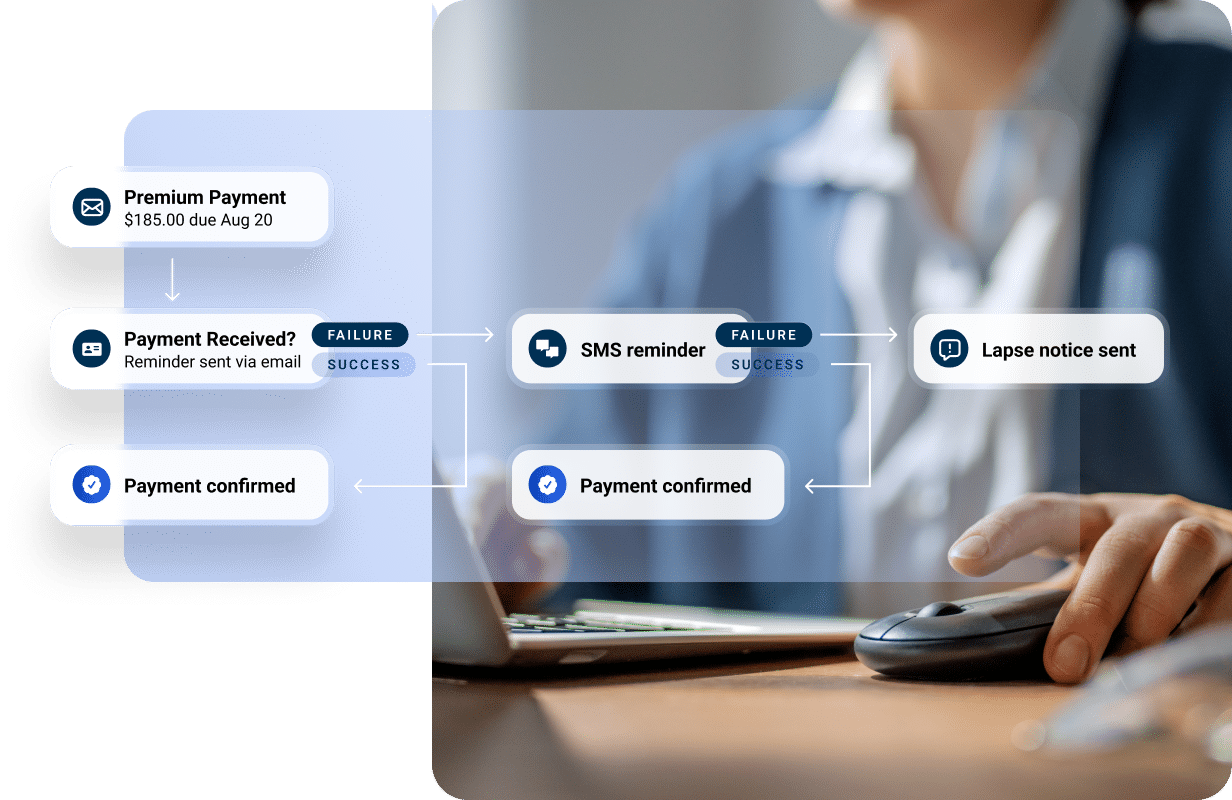
Coordinate bills, premium notices, reminders, approaching-lapse communications, and clear next steps. When a digital interaction is incomplete, apply approved reminder or channel-shift logic without turning routine follow-up into a manual task.
Post-FNOL Data Collection
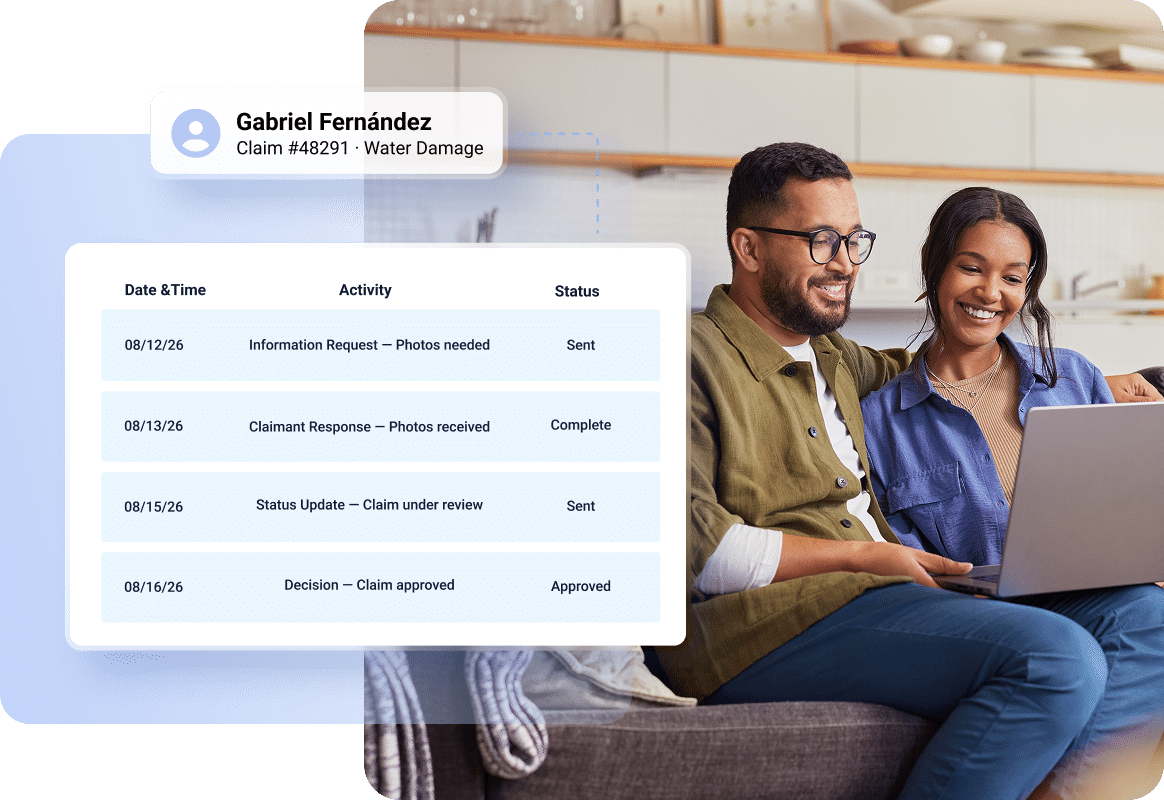
Connect acknowledgments, requests for information, guided insurance data collection, adjuster correspondence, status updates, decisions, and settlement documents. Keep claimants informed while routing missing information, exceptions, and human follow-up to the appropriate team.
Renewals & Policy Changes
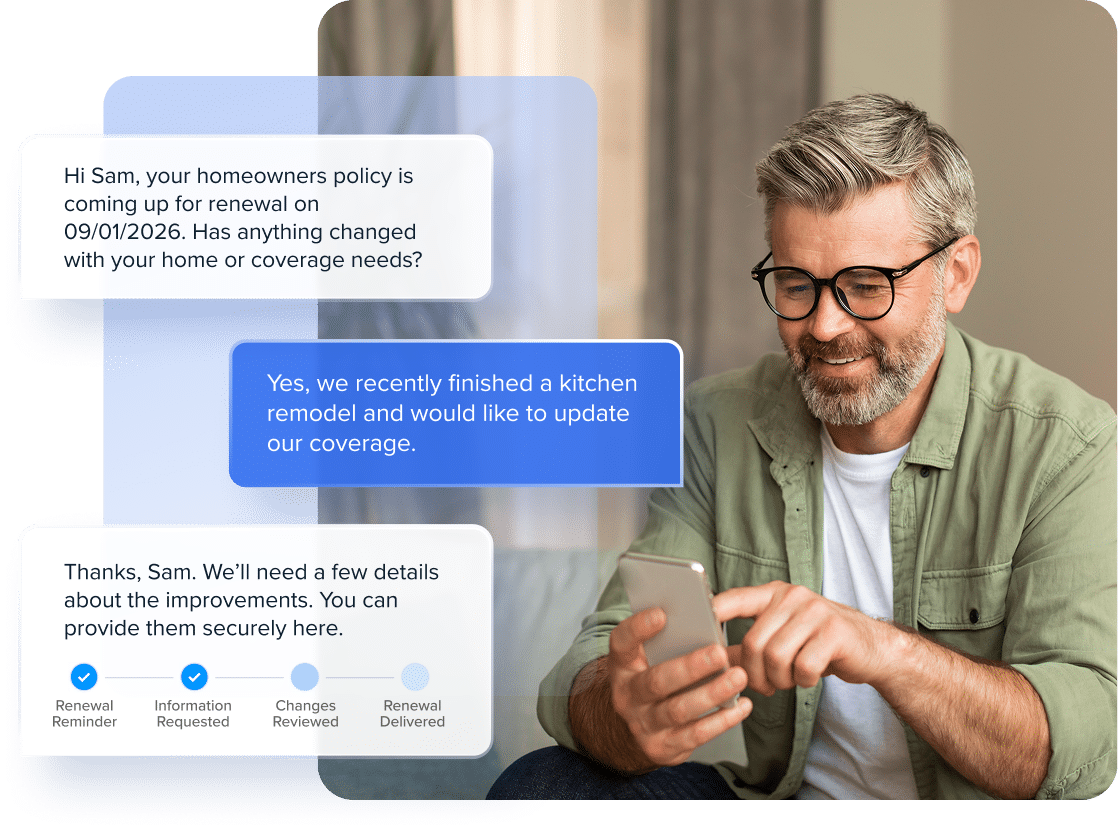
Trigger requests for renewal information, and follow up based on timing, product type, policy status, and customer data. Coordinate policy changes so required information, documents, and communications move together instead of through disconnected processes.
Urgent Claims Comms
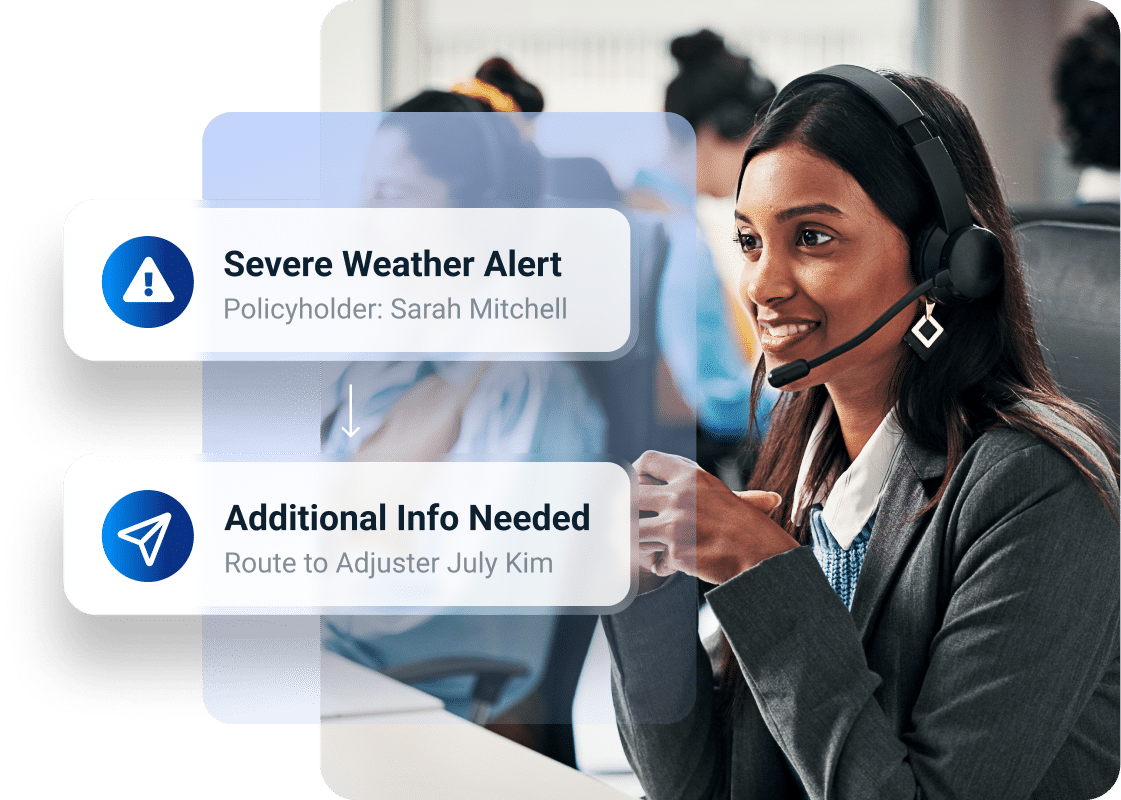
Use event-driven workflows to send targeted instructions, service updates, document links, and next steps quickly during severe weather or other catastrophic events. Route incomplete, complex, or high-risk interactions to the right person with the context needed to continue. Connected handoffs help agents, adjusters, and service teams act without asking the customer to restart the journey.
Connect Communications, Data Collection, Orchestration, and Archiving
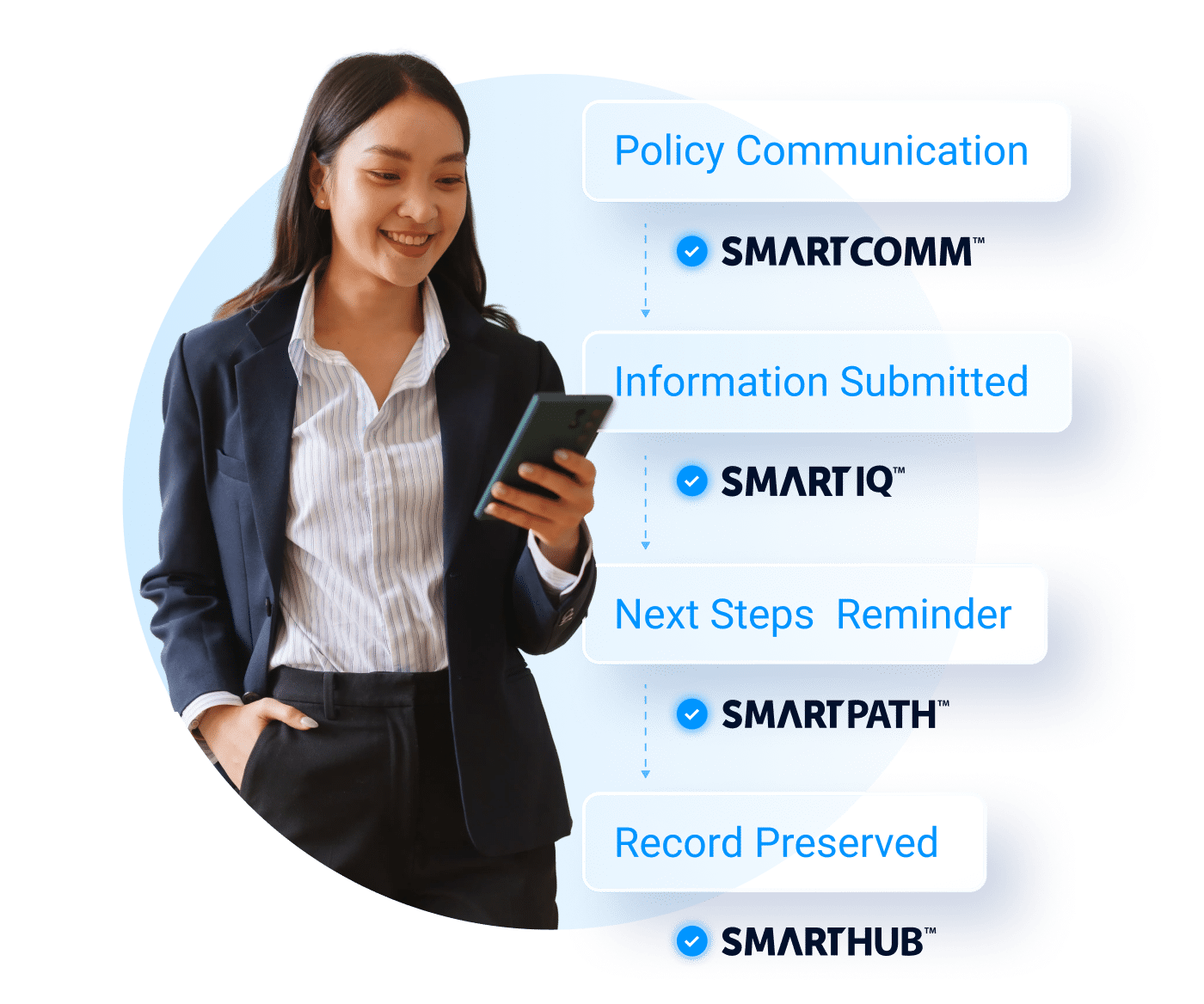
The strongest insurance journeys connect the communication a customer receives, the information they submit, the action they take, and the record your teams need later. Smart Communications brings those capabilities together across the insurance lifecycle.
- SmartCOMM creates and manages personalized, compliant policy, billing, claims, and service communications at scale
- SmartIQ captures validated information, attachments, acknowledgments, and signatures through guided digital experiences
- SmartPATH coordinates the systems, actions, timing, digital delivery, reminders, and channel logic that move each journey forward
- SmartHUB securely stores and retrieves communications and records for service, audit, compliance, and digital access
This connected approach joins content generation and delivery, reduces manual handoffs, and gives you a more consistent way to manage customer journeys from initiation through completion.
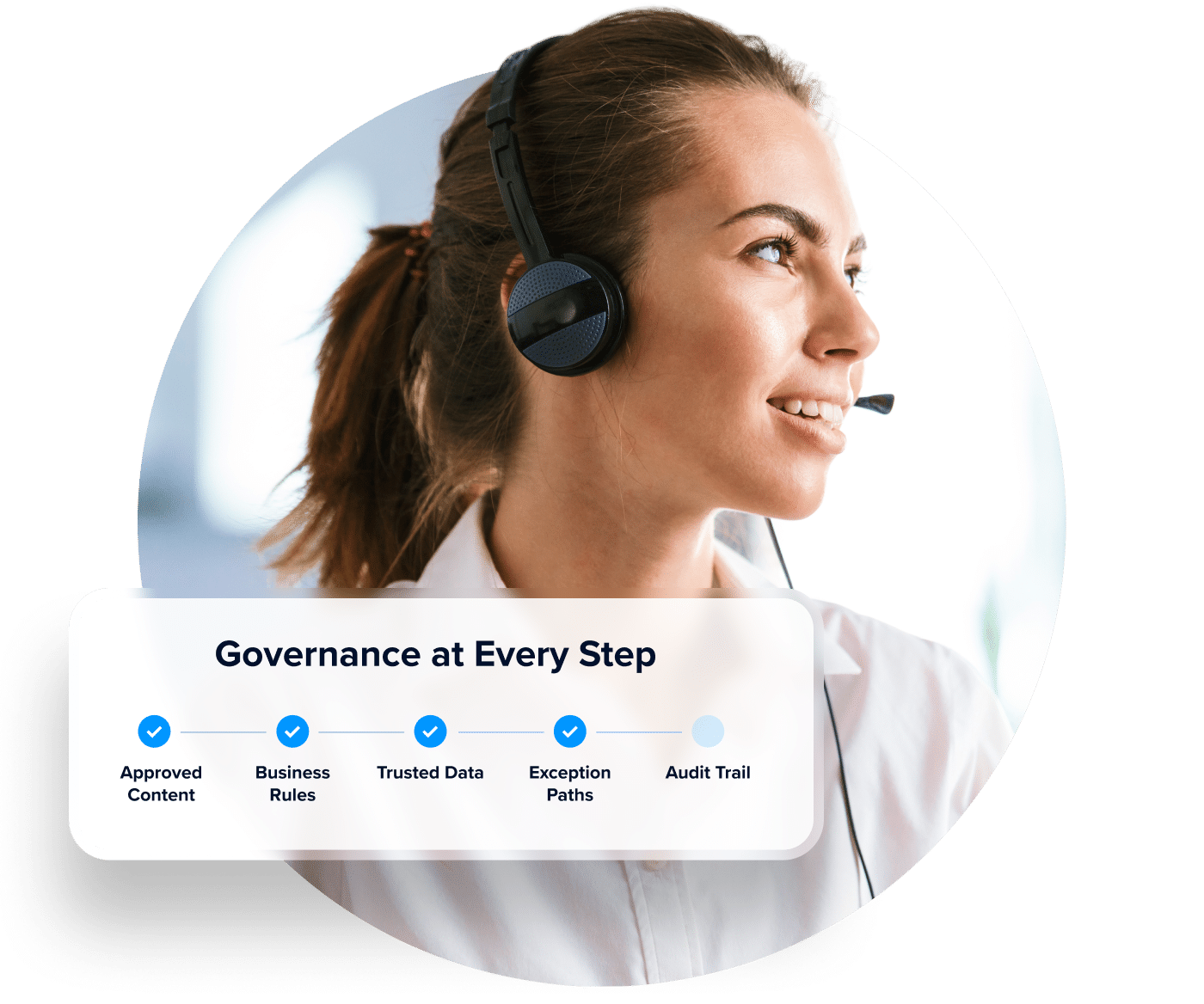
Build Governance into
Every Journey
Customer journey orchestration must improve speed without weakening control. Use approved content, explicit business rules, governed data, and defined exception paths so automated journeys remain aligned with your operational and compliance requirements.
- Use centrally approved templates, content blocks, branding, and document rules for regulated communications
- Define the events, criteria, timing, and channel logic that determine each automated action
- Use integrated systems as the source of record for customer data, channel preferences, consent, and policy status
- Separate routine automation from the exceptions that require agent, adjuster, legal, compliance, or service review
- Maintain flow activity, system events, communication records, and archived outputs that support accountability across the journey
SmartPATH is not a customer preference management system. It can act on approved preference and consent data supplied by core systems, but those systems remain the source of record.
Modernize Journeys Without Replacing Core Insurance Systems
You do not need to rebuild every policy administration, billing, claims, CRM, portal, or service platform before improving the customer journey. SmartPATH seamlessly integrates with core systems through APIs, web requests, events, and integration patterns, then coordinates the communications and actions around them.
Start with one high-friction journey, such as a billing reminder sequence, claims document collection, or renewal follow-up. Prove the workflow, measure the operational impact, and expand across products, brands, channels, and lines of business as priorities evolve.
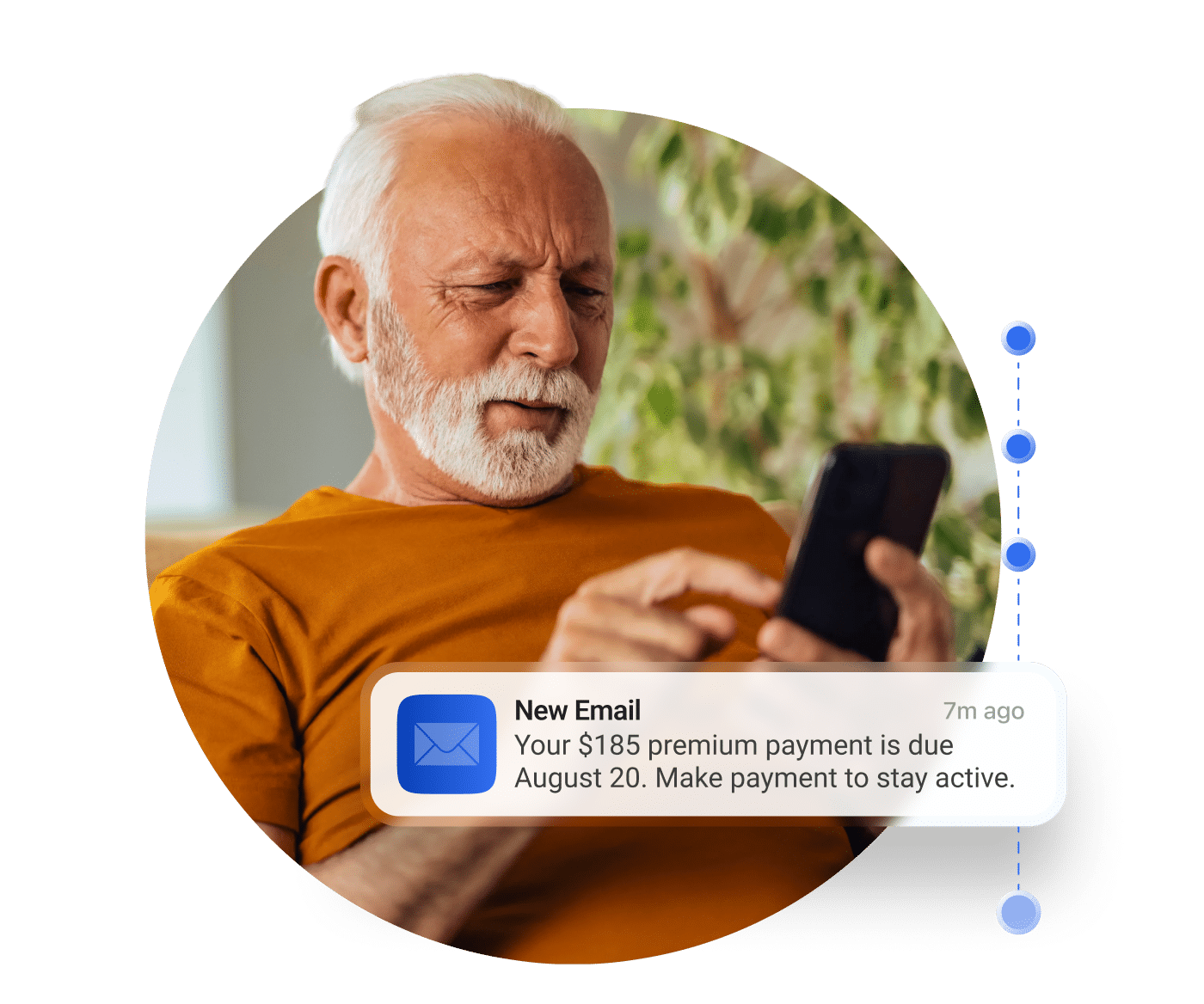
Prepare Orchestrated Journeys for Responsible AI
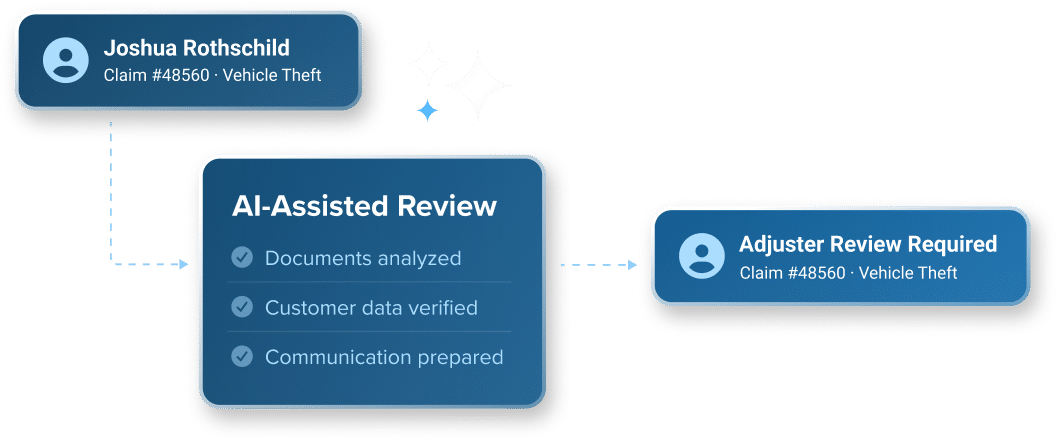
AI can accelerate document review, communications, and service workflows, but insurance decisions still require governed processes, trusted data, and human oversight.
Insurance customer journey orchestration provides the structure around AI-assisted work. It helps define what event starts a process, which data can be used, what content can be delivered, which channel is appropriate, when human review is required, and how the customer moves to the next step.
Outcomes for Insurance Teams
A connected customer journey orchestration strategy helps you improve completion rates, operational efficiency, and customer experience without adding another disconnected process.

Reduce manual reminders, duplicate outreach, and administrative handoffs
Lower call center volume by making the next action clearer and following up consistently
Respond faster to events, deadlines, status changes, and time-sensitive customer needs
Create more consistent experiences as customers move across email, SMS, portals, print, agents, adjusters, and service teams
Give operations and IT teams a reusable way to automate customer journeys across products and lines of business
Support incremental modernization by connecting existing systems instead of waiting for a full core transformation
Explore More Insurance Solutions
Explore the solution areas insurers use to modernize customer engagement.

Insurance Communications
Quick Summary: Create, manage, personalize, approve, and deliver regulated policyholder documents and communications across policy, billing, claims, and service workflows.

Insurance Data Collection
Quick Summary: Replace static forms and manual intake with guided digital experiences that help applicants, policyholders, claimants, and agents submit more complete information the first time.

Insurance Document Archiving
Quick Summary: Maintain secure, searchable, audit-ready records of policyholder communications, approvals, and delivery activity.
FAQs
Insurance Omnichannel Orchestration FAQs
Common questions insurance teams ask when evaluating platforms for customer communications, data collection, archiving, and omnichannel orchestration.
What Is Omnichannel Orchestration in Insurance?
What Is SmartPATH?
Can Insurers Modernize Digital Journeys Without Replacing Core Systems?
How Does Digital Orchestration Support Compliance?
Does SmartPATH Manage Policyholder Preferences and Consent?